

Mesothelioma
Mesothelioma, a cancerous growth that is found in the linings of organs such as the abdomen and lungs (pleura) is caused by asbestos exposure. It is typically caused by asbestos exposure. a grouping of minerals comprised of microscopic fibers.
Mesothelioma can develop anywhere between 20 and 60 year after exposure. Blood tests and X-rays can aid in diagnosing mesothelioma, and also show how far it has spread.
Pleural Mesothelioma
Pleural Mesothelioma occurs when malignant cells form in the lining of the lung (pleura). Pleura is a double layer of tissue that covers most organs. The cancerous pleural mesothelioma affects the chest wall and lungs and can cause symptoms such as breath shortness and chest pain or difficulty breathing.
Asbestos is the most significant cause of pleural msothelioma. When airborne asbestos fibers are inhaled, they can be absorbed by the throat and into the lungs which could cause damage to the lining. This can lead to scarring and inflammation, which can trigger changes that result in out-of-control cell growth.
Certain asbestos-related exposure victims might not be able to recognize symptoms until years after the initial exposure. Mesothelioma could take a few years to develop. Men and people born male are more likely to be diagnosed with mesothelioma. Other diagnoses that are common include older adults working in industries that employed asbestos in large quantities prior to the time it was regulated or served in the Navy.
The symptoms vary based on the location where the tumor is located. are typically caused by an increase in pressure or swelling around the affected lung. The symptoms include fatigue, undiagnosed chest pain, weight loss, and back pain. X-rays or CT or MRIs may be used for a diagnosis to rule out any other medical conditions that could be causing similar symptoms. When pleural asbestosis is discovered, doctors will assess the stage of cancer to determine the most effective treatment options.
The staging system is established by the International Mesothelioma Interest Group. The first step to determining the stage of the disease is to take an examination of the patient's medical records. Clarksville asbestos attorney -rays as well as a chest MRI can also be used to determine whether there are any tumors or other abnormalities that could indicate mesothelioma.
There are three types of mesothelioma. They are classified based on what type of cells form: Epithelioid Mesothelioma is the most commonly malignant mesothelioma (60 to 80 percent of cases). It is easier to treat in comparison to other types. Sarcomatoid Mesothelioma is the second most common kind of mesothelioma (between 10 15% and 10% of cases). It is more difficult to treat than epithelioid melanoma.
Peritoneal Mesothelioma
The peritoneum (the inner lining of the abdominal cavity) is affected by peritoneal mesothelioma. It is less common than mesothelioma pleural. Like all mesothelioma types, peritoneal mesothelioma results from asbestos exposure. This mesothelioma type is more likely to be caused by ingesting rather than inhalation, which is not the case with pleural. This kind of mesothelioma is more common in women than men and can be found in older individuals.
The mesothelioma's early stages are difficult to recognize because of the lack of specificity. Experts in mesothelioma know how to diagnose the disease. Doctors can diagnose mesothelioma using detailed patient histories and imaging tests and blood tests.
Once mesothelioma is diagnosed the doctor will determine the stage of the cancer based on the TNM system. The staging system outlines the extent of the tumor's spread and influences treatment options. The lower the stage, the more treatment options are available.
It can be difficult to recognize peritoneal Msothelioma because it is a rare. The symptoms of this condition are similar to those of a variety of diseases that affect the digestive tract and abdomen, such as abdominal pain, fever, and weight loss. Patients who experience symptoms that are not clear are advised to consult with a physician.
The doctor will then conduct physical examinations and will then conduct basic blood tests. If these tests reveal the possibility of a cancer, an oncologist will conduct more thorough diagnostic tests, including biopsies. This will give a clear picture of the person's health, and identify any possible mesothelioma symptoms.
Asbestos exposure is the main cause of all mesothelioma cases. The exposure to asbestos is usually at work, but it can also happen at home or in schools. Asbestos exposure is most dangerous when it occurs over a long period of time. Mesothelioma can develop when asbestos particles or dust enter the body and cause inflammation or irritation. In time the inflammation and irritation can cause cells to change into cancerous cells and create tumors. The cancerous tissue that is formed can then invade other tissues and cause symptoms such as abdominal discomfort as well as weight gain, fever and swelling.
Cardiovascular Mesothelioma
Pericardial Mesothelioma, which is a rare cancer, is a cancer of the pericardium, or the lining of the heart. This kind of mesothelioma makes up less than 1% of all mesothelioma and is difficult to identify because of the similar symptoms to heart disease. Many patients are diagnosed with heart disease before doctors are able to confirm they have pericardial msothelioma.
As with other types of mesothelioma, pericardial mesothelioma can be caused by exposure to asbestos. It is believed that asbestos fibers get into the pericardium through the bloodstream. The fibers can then travel to other organs, including the heart. Pericardial mesothelioma usually occurs in the outer layer of the pericardium however, it can also be found in the inner layer. Pericardial Mesothelioma is correlated with a lower prognosis when than other mesothelioma types.
The symptoms of fatigue, chest pain and difficulty breathing are the main symptoms of pericardial Mesothelioma. It is essential that patients undergo a thorough medical exam due to the fact that this form of mesothelioma can be found in very few. It is crucial to inform your doctor if they have had any asbestos exposure in the past.
The initial step in a mesothelioma diagnosis is often an CT scan or echocardiogram. These tests can reveal fluid buildup around the heart, as well as any visible pericardial tumors. If these tests reveal mesothelioma, doctors can perform additional procedures to confirm the diagnosis. These include a biopsy, or radiation.
A mesothelioma biopsies procedure is an operation where a tiny piece of tissue is removed from the area affected and then examined under microscope. This will aid doctors in determining the type of mesothelioma they are looking for and the stage of the disease.
Mesothelioma patients can get treatment at specialized cancer centers and hospitals all over the country. Depending on the type of mesothelioma, treatment options could include surgery, chemotherapy and radiation. In some cases, victims are eligible for health insurance at no cost or at a reduced cost through the Department of Veterans Affairs. For mesothelioma patients, this financial aid is essential to make treatment more accessible. To learn more about your benefits, contact a VA-approved lawyer for mesothelioma.
Reproductive Mesothelioma
Mesothelioma can start in the linings that cover organs in the abdomen and chest. It can also grow in the lining of the heart (pericardium) and testicles. The risk for men is higher than women for unknown reasons. Asbestos exposure is the most significant risk factor. Symptoms do not usually appear for a long time after exposure to asbestos.
Mesothelioma is more common in people exposed to asbestos while at work. In most instances chest pains or a persistent cough are the primary symptoms. Mesothelioma may be misdiagnosed as these symptoms are akin to other lung diseases. After being diagnosed, the patient can undergo a series of tests to determine how far the cancer has spread and its stage.
These tests could include blood and imaging scans such as X-rays and CT scans. A biopsy may be taken by a mesothelioma specialist in order to confirm the diagnosis. The biopsy may be done using a core-needle or laparoscopically. It is crucial that a specialist in peritoneal mesothelioma conducts the biopsy. General medical oncologists are not competent to diagnose peritoneal mesothelioma, and may misdiagnose it.
The results of a mesothelioma test will help doctors determine the most effective treatment plan. The treatment plan will be based on the extent to which the cancer has spread, and your general health. Treatments include radiation, chemotherapy, and surgery. It is possible to control the symptoms.
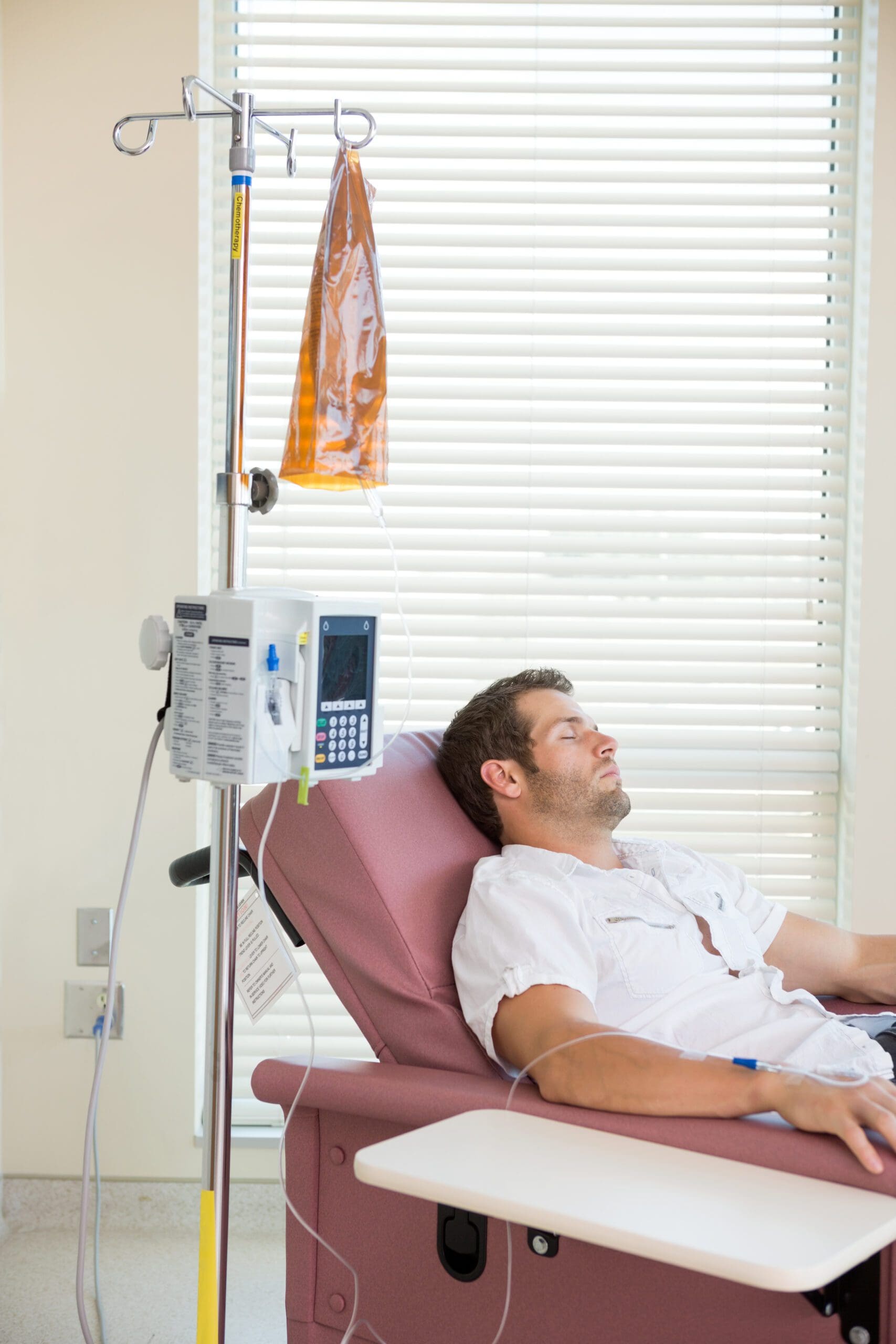
Chemotherapy is a highly effective treatment for all types of mesothelioma. These medications can also cause harm to healthy cells. They can damage the ovarian tissues, and this could impact fertility. This is especially relevant for peritoneal asbestosis which affects the region around the reproductive organs.
The type and severity, along with age and general health will determine the speed at which you're treated and also your prognosis. Around 2700 people in the UK are diagnosed with mesothelioma every year. It is typical for the disease to occur in the lining of the lungs (pleura) but it can also form in the linings of the stomach (peritoneum) and less frequently, around the testicles or heart.